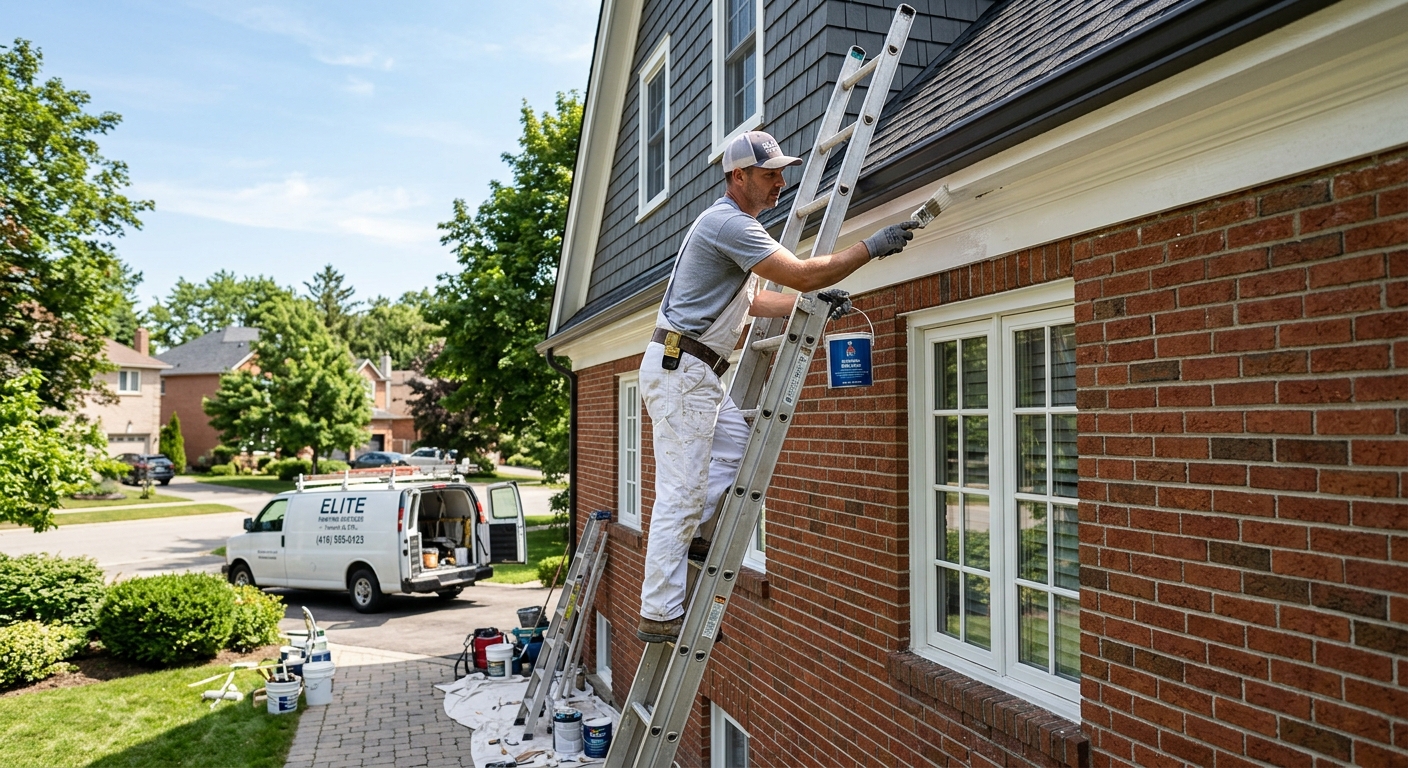
Painting options and costs in Garden City
Garden City, British Columbia is a small community within the Lower Mainland–Southwest, and that matters for painting pricing. With a population of 5,885 (Statistics Canada, 2021 Census), most projects are scheduled around a limited pool of experienced painters, so timing and crew availability can influence your final range. The other big driver is housing age: Lower Mainland–Southwest neighbourhoods were developed heavily through the mid-century to the 1990s, which means many homes you’ll see in Garden City require extensive surface prep on a repaint. For pre-1978 properties, contractors may also need lead-paint–safe practices (containment, HEPA cleanup, and correct disposal), which increases labour and setup time even though permits aren’t typically required for painting itself.
Weather also shapes cost. Coastal BC brings frequent rain and humidity through the shoulders of the year, so exterior jobs depend on dry weather windows and slower drying times. That risk management—re-scheduling when a siding run can’t dry between coats—is built into exterior pricing. Interior work is steadier, so many crews move volume indoors through fall and winter to keep production moving.
In Garden City, you often see the most demand around the Pacific Spirit/nearby residential corridors where older character homes and compact lots push access and prep time. If you’re comparing bids, start with a baseline for what each scope usually includes, then build from there using the table below.
| Service |
What's Included |
Typical Duration |
Price Range |
| Interior — whole home (walls, ceilings, trim) |
Move/cover furniture as agreed, patching & sanding, caulking, primer on repairs/stains, two-coat coverage, trim detail work, daily cleanup |
5–14 days |
$3,200–$8,000 |
| Interior — per room (standard bedroom or living room) |
Prep & patch, sand, caulk, prime as needed, two coats on walls/ceiling, basic trim touch-ups (scuffed areas), edge work |
1–3 days |
$500–$2,200 |
| Exterior — full house (siding, trim, soffits) |
Power wash (weather-permitting), scrape/spot prime, caulking and exterior patching, mildew-resistant system, two coats, protection for landscaping/windows |
7–21 days (often weather-driven) |
$6,500–$15,000 |
| Exterior — trim and accent colours only |
Wash, scrape spot prep on trim, prime where required, two-coat application on trim elements, masking and careful finishing |
3–10 days |
$1,200–$4,800 |
| Kitchen cabinet painting (doors, frames, spray finish) |
Hardware handling as agreed, degrease/clean, sanding/repair, bonding primer, spray finish for doors/drawer fronts, durable topcoat, reinstallation |
6–18 days (including cure time) |
$2,200–$7,500 |
| Specialty / faux finish (accent wall, texture) |
Surface preparation for adhesion, base coat(s), specialty materials (texture/faux), clear protection if required, clean edges |
2–10 days |
$900–$12,000 |
Prices are estimates only and vary by project scope, site access and material selection.
What affects the price of painting in Garden City
For the same-looking job, bids in the Lower Mainland–Southwest can differ by 30–50% compared with other parts of British Columbia—and the gap grows when prep is unclear. In Ontario and Alberta, exterior crews often plan around a shorter set of temperature thresholds; in coastal BC, the limiter is rain and humidity. Even with long daylight, exterior coating must be applied when conditions support proper film formation and drying. Coastal scheduling in Garden City means painters may mobilize, wait out weather windows, then re-mobilize, which adds labour overhead.
Older homes in the wider region also push costs upward. When scraping fails (peeling, chalking, or old coatings trapped under repaint), contractors typically spend the majority of time on surface prep—often 50–70% of labour on a repaint. That includes caulking, patching drywall/wood, stain blocking for nicotine or tannins, and upgrading to modern primer systems for adhesion.
Two common Garden City examples: (1) a full exterior repaint can land toward the upper end of the $6,500–$15,000 band when prep reveals loose siding edges that need rework before coatings can go back on; (2) a trim-only refresh may stay in the $1,200–$4,800 range when surfaces are stable and require mostly wash, spot prime, and careful masking. If you’re considering cabinet painting as an alternative to replacement, pricing also tightens around build quality and the number of doors—small kitchens can start in the low $2,000s, while larger layouts and spray-finish detail work can move into the mid-to-upper thousands.
| Price Factor |
Why It Matters |
Cost Impact |
| Surface prep — scraping, sanding, patching drywall or wood |
Adhesion lives or dies on prep; peeling coatings and damaged substrates must be corrected |
+20% to +50% |
| Number of coats — 2-coat system over primer vs. 1 coat over existing |
Sheen and colour changes often require full coverage and proper hiding power |
+10% to +35% |
| Paint quality tier — contractor-grade vs. premium (Benjamin Moore, Sherwin) |
Higher solids, better coverage and durability can reduce rework but may raise material cost |
+5% to +20% |
| Ceilings and trim — adds significant time vs. walls-only |
Detail work increases cutting-in time and requires more masking |
+15% to +45% |
| Exterior season window — short season raises summer rates |
Rain/humidity windows drive rescheduling and job stacking |
+10% to +40% |
| Lead-safe precautions — required for pre-1978 homes with lead paint |
Containment, HEPA cleanup, and disposal extend time even for small areas |
+15% to +60% |
| Surface material — drywall vs. plaster vs. wood vs. stucco |
Absorption and failure modes differ; primers and prep steps change accordingly |
+10% to +45% |
| Height and access — multi-storey exterior requires scaffolding or lifts |
Access gear, safety time, and slower application increase labour |
+10% to +50% |
Permits & regulations in British Columbia
In British Columbia, painting typically does not require a permit for homeowners. The main compliance considerations are health and safety practices, not municipal approval. For homes built before 1978, health guidelines recommend testing for lead paint before sanding or scraping. If lead is present, professional lead-safe work practices are standard: wet methods to reduce dust, HEPA vacuuming during cleanup, and proper disposal of debris and contaminated materials. This is not usually a homeowner “permit” issue, but it is a best-practice expectation for contractors working in BC.
What DOES require a permit is not generally “painting” itself; instead, permits are more commonly tied to building-envelope work (for example, structural repairs, window replacement, or certain larger renovation scopes). For a straight repaint, you should expect no permit—just correct preparation, dust control, and coating system selection for your exterior materials.
Before work starts in Garden City, confirm the contractor carries liability insurance and has workers’ compensation coverage (WSIB/WCB). Then verify credentials step-by-step: (1) ask for a certificate of insurance and confirm the policy is current and includes the work; (2) ask for proof of workers’ compensation coverage; (3) request a written contract that lists the paint brand/line, sheen selections, number of coats, and the exact prep tasks included (repairs, primer type, caulking, and disposal responsibilities); and (4) if they’re claiming specialized work (lead-safe, specialty coatings), request their written method statement for that scope.
Interior vs exterior painting — getting the best result in Garden City
The longest-lasting paint job in Garden City is usually the one with the most disciplined prep—not the fanciest can of paint. Interiors fail most often when patching and primer are skipped. For interiors, filling and sanding are about creating a consistent surface; priming controls blotchiness and improves adhesion, especially when you’ve got patched drywall, previous stains, or heavy repairs. Sheen matters by room: flat or matte is common for low-touch ceiling areas; eggshell or matte is popular for bedrooms and living rooms; and satin or semi-gloss is better for trim, doors, and higher-wear zones. The reality is simple: two coats over a proper primer system almost always outlast one “heavy” coat that tries to hide on its own.
Exteriors in Lower Mainland–Southwest are a different game. Coastal BC demands weather-aware scheduling and mildew-resistant, high-adhesion products, but the foundation is still preparation: power washing, scraping loose edges, caulking before painting to prevent water ingress, and using the right primer for the substrate (wood, fibre cement, stucco). If you’re tempted to save by cutting prep, that’s where you can pay later. A $1,200–$4,800 trim-only refresh can look great initially, but if caulking and bonding primer are rushed, adhesion problems can show up quickly under damp conditions. Conversely, spending more on a full exterior prep is justified when boards and edges need correction—projects often move toward the $6,500–$15,000 band when scraping and priming are extensive.
Cabinet painting is a practical budget alternative to replacement in this market: you keep your kitchen layout while upgrading appearance with modern spray-ready systems. For pre-1978 homes, lead-safe precautions may be needed around scraping/patching areas, and that planning should be included in the quote so it doesn’t surprise you later.
| Project Type |
Key Prep Step |
Recommended Coats |
Price Band |
| Interior — fresh drywall (new construction) |
Prime all surfaces to unify absorption before colour coats |
Primer + 2 colour coats |
$1,800–$6,000 |
| Interior — repaint (good condition, no repairs) |
Light sanding and spot priming for scuffs or repaired minor areas |
2 colour coats (primer only where needed) |
$900–$4,500 |
| Interior — repaint (patching and priming needed) |
Feather repairs, sand smooth, prime patched areas and any stains |
Primer + 2 colour coats |
$1,400–$7,200 |
| Exterior siding (wood or fibre cement) |
Scrape loose coatings, caulk seams, and apply a system designed for damp climates |
Prime spot + 2 finish coats |
$6,500–$15,000 |
| Exterior trim and accents only |
Mask carefully; prime bare/spot-scraped areas; caulk trim edges |
Spot primer + 2 finish coats |
$1,200–$4,800 |
| Kitchen cabinets (spray finish) |
Degrease thoroughly, bond-prime, sand between steps where required |
Primer + 2–3 finish coats (system-dependent) |
$2,200–$7,500 |
How to choose a painting contractor in Garden City
Choosing the right contractor in Garden City starts with verifying coverage and scope clarity. In British Columbia, confirm their business licence/credentials if applicable in your situation, but more importantly ask for: (1) proof of liability insurance (certificate of insurance showing the correct insured parties and current dates); (2) workers’ compensation coverage (WSIB/WCB) for their employees; and (3) a written contract that specifies what’s included—prep tasks, primer type, number of coats, surface repairs, and disposal. If they can’t provide documentation promptly, that’s a sign to slow down.
Next, request 2–3 itemised written quotes. “Itemised” should mean labour + materials breakdown, not just a lump sum. You want line items for washing/power washing, scraping and patching, caulking, priming, trim/ceiling work, and any lead-safe procedures if your home is pre-1978. Also clarify exclusions: is furniture moving included, are windows/landscaping protected, and is paint disposal included or billed separately?
Warranty should be clear. Ask for the workmanship warranty length and whether it covers peeling, flaking, or adhesion failures caused by inadequate prep. For products, understand manufacturer warranties and whether they’re conditional on system compliance. Payment scheduling matters too: never pay more than 10–15% upfront, and hold back a portion until the final walkthrough and punch list are completed. Finally, insist on a written start date and completion estimate, especially for exterior work that can shift with rain and humidity windows.
- Request a certificate of liability insurance and confirm it’s current
- Ask for workers’ compensation coverage proof (WSIB/WCB) for their crew
- Get 2–3 itemised quotes (labour + materials), not just one number
- Confirm exactly what “prep” includes (scrape, sand, patch, caulk, stain blocking)
- Verify primer type and where it’s applied (spot vs full coverage)
- Check sheen selections by room and confirm trim sheen too
- Ask about mildew-resistant requirements for exterior surfaces
- Clarify cleanup and disposal (paint debris, masking, and protective coverings)
- Ask whether they account for weather delays in their exterior timeline
- Confirm if they include touch-ups for missed details after cure
- Review workmanship warranty terms in writing
- Ensure payment schedule stays within 10–15% upfront with a holdback
Red flags in Garden City include: quoting an exterior repaint without explaining scraping/priming steps, promising “one coat” coverage over questionable surfaces, refusing to itemise labour vs materials, asking for large deposits upfront, or not discussing rain/humidity scheduling risks for coastal drying times.
Frequently asked questions — painting in Garden City
How do I prep walls before painting?
You can help your painter by doing the easy staging: move furniture to the centre (or ask them to move/cover if that’s included), cover floors, and remove wall hangings, outlet covers, and hardware. For walls, the key is that prep must be done correctly—light dusting is fine, but avoid painting over peeling areas or grease without cleaning. In Garden City and the Lower Mainland–Southwest, humidity can also make surfaces feel “dry” while still holding contaminants, so cleaning degreasing around kitchens and entryways is important. If you already have patch work, let it fully cure, then ensure it’s sanded smooth and dusted off. Your contractor should handle sanding verification, caulking, and priming as needed, which is where most durability is gained.
Do I need to worry about lead paint in an older Garden City home?
If your Garden City home was built before 1978, you should take lead paint seriously. For professionals in British Columbia, health guidelines recommend testing before sanding or scraping if lead is suspected, and using lead-safe work practices if lead is present (wet methods, HEPA cleanup, and proper disposal). This is not usually a homeowner “permit” requirement, but it changes how the work is executed and priced because containment and cleanup take real time. That’s one reason quotes can vary. Ask your contractor whether they plan for pre-1978 lead-safe precautions in the written scope. If they don’t ask about the build year, or they dismiss the topic, that’s a decision point before work begins.
How long does it take to paint a house?
In British Columbia, timing depends on whether you’re painting indoors or outdoors and how much prep is required. Interior painting is more predictable: a whole home typically runs about 5–14 days for labour, with drying/cure time and touch-ups. Exterior painting is more weather-bound in the Lower Mainland–Southwest because rain and humidity affect drying between coats. A full exterior can take 7–21 days in practice, but that schedule may shift based on dry windows. If you’re also doing cabinetry, plan for longer cure time and careful reinstallation—kitchen cabinet spray-finish projects commonly take 6–18 days total. The best approach is to get a written start date and completion estimate that includes weather contingencies.
What's the difference between paint quality tiers?
Paint “quality tier” usually refers to solids content, binder strength, hiding power, and durability. Premium lines can cost more per litre, but they often cover better and resist scuffing, fading, and mildew better—particularly helpful in coastal BC conditions where surfaces stay damp longer. Contractor-grade products can still perform well if the prep and primer system are correct, but you may see differences in how many coats are needed and how evenly colour hides (especially with darker colours or heavy stain-blocking needs). This is why itemised quotes matter: compare what primer and what coating line they’re using, not just the final number. For context, interior projects might range widely—some jobs start around the $300–$8,000 band depending on prep and finishes—so “tier” is only one piece.
How do I compare painting quotes?
Compare quotes like-for-like. Ask each contractor to provide a written scope that lists prep tasks (scraping, sanding, patching, caulking), primer type, and the number of coats. Look for who is responsible for disposal and cleanup—paint debris and masking materials shouldn’t be vague. For exterior painting in the Lower Mainland–Southwest, ensure the quote accounts for weather delays and uses mildew-resistant, high-adhesion products appropriate for coastal humidity. A common mismatch is one contractor quoting a lower price by assuming minimal prep or by skipping stain blocking; that can push failure later. As a quick reality check, a full exterior repaint may sit in the $6,500–$15,000 range depending on prep, while trim-only work tends to be closer to $1,200–$4,800. Use those bands to spot unrealistic bids.
What paint sheen should I use in different rooms?
Sheen choice affects both cleanability and how visible wall imperfections look—important in Garden City homes where repairs can be noticeable under certain lighting. Common approach in British Columbia: ceilings often use flat/matte to reduce glare; bedrooms and living rooms usually use eggshell or matte for a softer look with reasonable cleanability; kitchens, bathrooms, hallways, and areas around doorways do better with satin or easy-clean finishes. Trim, doors, and baseboards are typically semi-gloss or satin because they resist scuffs and are easier to wipe down. Your contractor should also match sheen to substrate and application method, and confirm it on the written scope. If you’re repainting with patching, proper primer first is what prevents sheen-related blotchiness.