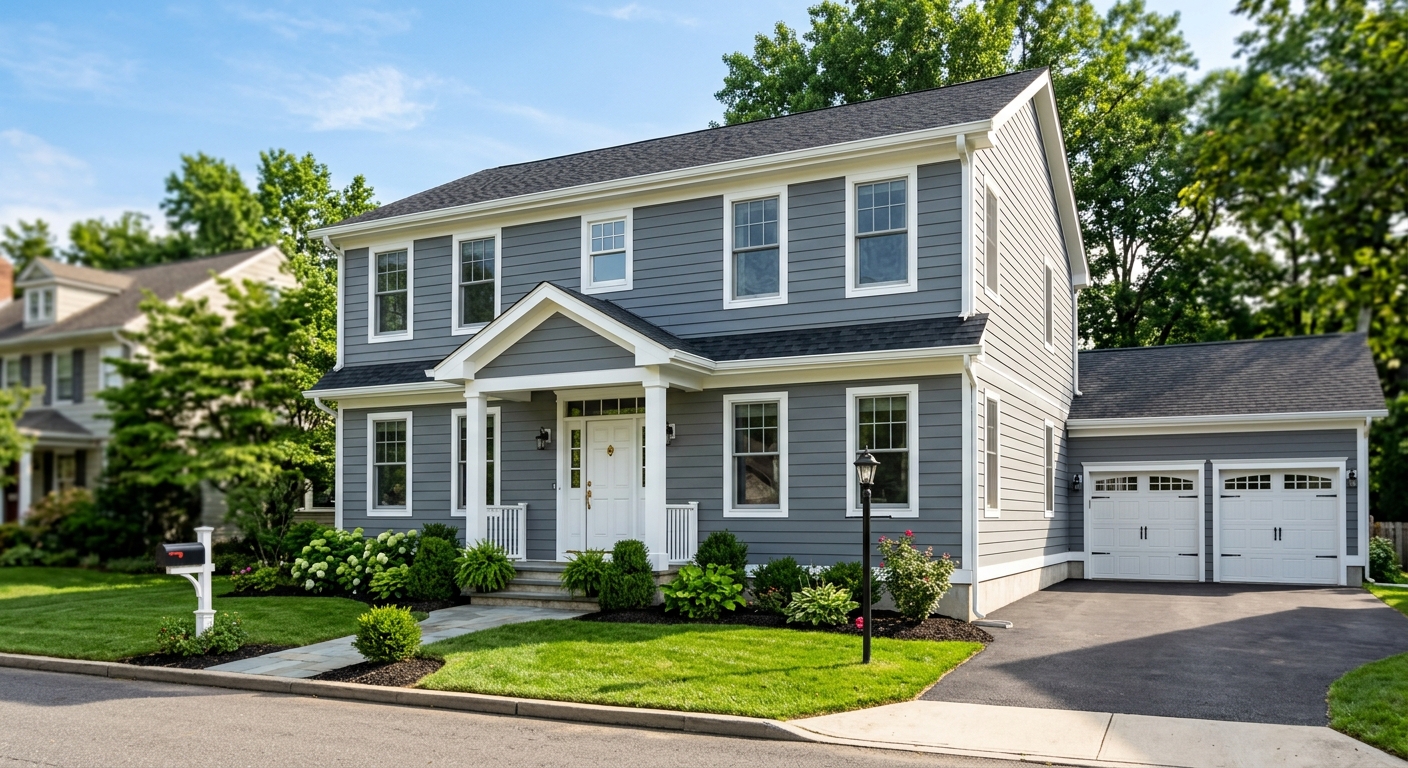
Painting options and costs in Mary Hill
Painting in Mary Hill often comes down to prep, product choice, and scheduling around Lower Mainland–Southwest weather. With a small local population of about 3,974 residents (Statistics Canada, 2021 Census), you’ll still see steady demand because Mary Hill homes are closely tied to the broader North Shore/Coquitlam-style housing patterns—many are mid-century to later builds that repaint every so often. In practice, that means a significant portion of your quote may go to scraping failing coatings, patching settlement cracks, and priming for stains (nicotine, rust bleed, and occasional wood tannins). On pre-1978 homes in British Columbia, contractors commonly use lead-safe work practices if testing indicates lead is present; that adds time for containment and cleanup even when the “paint job” itself sounds straightforward.
Lower Mainland–Southwest is also shaped by coastal humidity and frequent rain, so exterior painting costs are more sensitive to when crews can work than to temperature extremes alone. Crews in Mary Hill typically plan around dry windows, build in slower drying time, and price in mildew-resistant, high-adhesion coatings. Interior work is less weather-bound, so many contractors shift labour indoors through fall and winter—helping you lock in a timeline for rooms, ceilings, and trim.
In Mary Hill, areas with older townhouse and duplex stock—like the Lincolnwood Drive / Mary Hill B.C.-adjacent neighbourhood pockets—tend to require more frequent repaint cycles and therefore see reliable contractor availability. Once you know which scope fits your home, you can compare the typical price bands below.
| Service |
What's Included |
Typical Duration |
Price Range |
| Interior — whole home (walls, ceilings, trim) |
Protect floors/furniture, patch & sand minor defects, prime where needed, paint walls & ceilings, detailed cut-in on trim, caulk where appropriate, clean-up and final walk-through |
5–12 days |
$4,500 – $8,000 |
| Interior — per room (standard bedroom or living room) |
Protect surfaces, patch small holes, sand & prime as needed, paint walls and one coat on trim as specified, light touch-up, clean-up |
1–3 days |
$600 – $1,900 |
| Exterior — full house (siding, trim, soffits) |
Pressure wash where needed, scrape failing paint, patch and caulk gaps, spot-prime, apply exterior primer/coats suited to substrate, paint siding/trim/soffits, debris removal |
7–18 days (weather-dependent) |
$5,200 – $12,500 |
| Exterior — trim and accent colours only |
Prep and prime trim surfaces, clean/spot-sand, caulk where required, paint specified trim bands and accent areas, protect siding and landscaping |
3–8 days (weather-dependent) |
$1,200 – $4,800 |
| Kitchen cabinet painting (doors, frames, spray finish) |
Hardware bagging/labeling, degrease, remove/prepare cabinet surfaces, spot repair, primer + finish coats, spray-style smooth finish, re-install and alignment check |
5–12 days (plus cure time) |
$2,200 – $6,500 |
| Specialty / faux finish (accent wall, texture) |
Surface stabilization and skimming where needed, basecoat + texture/faux layers, protective topcoat, colour match trials when required |
2–7 days |
$800 – $3,900 |
Prices are estimates only and vary by project scope, site access and material selection.
What affects the price of painting in Mary Hill
Even in the same Lower Mainland–Southwest neighbourhood, quotes for what sounds like the “same paint” can differ by 30–50% once you factor in prep complexity, product tier, access, and whether the contractor is managing coastal weather risk properly. Across British Columbia, crews also price labour based on how often they can run full crews outdoors—rainy, humid weeks can slow drying and force re-mobilizations. In colder provinces like Ontario and Alberta, the exterior window is usually more constrained by temperature (often late May to early October), while in coastal BC it can be longer but far more unpredictable due to humidity and rainfall. That scheduling pressure is exactly why you’ll see exterior ranges that stretch wider than interior.
On many Mary Hill repaints, surface prep is the real cost driver: older homes mean scraping failing coatings, patching drywall or wood, caulking cracks, and priming to lock down stains. That prep can run 50–70% of total labour on a repainting job because one missed spot can bubble later. Here’s how the money typically shifts: a straightforward room refresh might land in the low-to-mid interior band (around $300–$2,500 depending on trim and repairs), while “walls + ceilings + all trim” pushes into higher ranges (commonly several thousand dollars) because cut-in time and edging multiply labour.
For exteriors, the humidity-driven requirement for mildew-resistant, high-adhesion products can add both materials and time for recoat intervals. On pre-1978 homes where lead is present, lead-safe precautions (containment, HEPA vacuuming, careful cleanup, and compliant disposal) add cost even if the finish colours are the same. If your house has multi-storey frontage and complex gables, height and access can also push totals toward the upper end of the exterior price band (often beyond $8,000 depending on scope).
| Price Factor |
Why It Matters |
Cost Impact |
| Surface prep — scraping, sanding, patching drywall or wood |
Quality adhesion and smooth appearance depend on removing loose paint and correcting defects |
Can be the majority of labour; commonly +50% on problem surfaces |
| Number of coats — 2-coat system over primer vs. 1 coat over existing |
Proper priming and two-coat coverage prevent peeling and patchy fade |
Typically +15–30% when moving to a full 2-coat system |
| Paint quality tier — contractor-grade vs. premium (Benjamin Moore, Sherwin) |
Higher-tier paints often cover better and resist mildew/marking longer |
Often +5–20% materials cost, offset by fewer issues |
| Ceilings and trim — adds significant time vs. walls-only |
Ceilings require careful masking and cutting-in; trim needs extra labour for crisp lines |
Can increase interior pricing by $500–$2,000+ |
| Exterior season window — short season raises summer rates |
Even with coastal BC, crews must wait for dry, workable stretches to apply and cure |
Commonly +10–25% during peak scheduling |
| Lead-safe precautions — required for pre-1978 homes with lead paint |
Containment, HEPA cleanup, and proper disposal add time and materials |
Can add +15–40% on affected areas |
| Surface material — drywall vs. plaster vs. wood vs. stucco |
Different substrates require different primers and prep methods for lasting adhesion |
Often +10–30% depending on material condition |
| Height and access — multi-storey exterior requires scaffolding or lifts |
Access equipment, safety time, and slower work rates increase labour |
Can add thousands dollars on larger multi-storey facades |
Permits & regulations in British Columbia
In British Columbia, painting work typically does not require a permit for most residential projects. Where regulations show up in practice is in health and safety guidance for older homes: for homes built before 1978, health guidelines recommend testing for lead paint before sanding or scraping. If lead is present, lead-safe work practices are the standard approach professionals follow (wet methods to reduce dust, HEPA vacuuming, and appropriate disposal). This is not usually something homeowners are “mandated” to do for a DIY repaint, but it’s standard practice when contractors handle the prep and cleanup.
Instead of permits, homeowners should focus on contractor responsibility. Confirm your painter carries liability insurance and has workers’ compensation coverage (WSIB/WCB coverage, as applicable in BC) for their crew. Also ask for a written contract that specifies the paint brand and sheen, the number of coats, and exactly which prep tasks are included (scraping, patching, priming, and caulking).
DO require a permit or special approval are uncommon for painting itself; however, steps like structural work, altering protected assemblies, or work that involves regulated abatement scopes can trigger other requirements. For straightforward coating renewal, the main “paperwork” you should verify is professional insurance and safe work documentation, not a painting permit.
Step-by-step to verify in Mary Hill: (1) request a certificate of insurance and confirm the coverage is active for the policy dates; (2) confirm workers’ compensation registration for the painting crew and subcontractors; (3) ask for proof of clearance process where lead testing/abatement is involved; and (4) ensure the contract clearly lists surface prep and coating system so you can compare quotes apples-to-apples.
Interior vs exterior painting — getting the best result in Mary Hill
The biggest difference between a long-lasting paint job and a premature failure in Mary Hill isn’t just the brand—it’s whether the contractor prepares surfaces correctly for Lower Mainland–Southwest conditions. For interiors, surface prep (filling, sanding, and priming) usually matters more than the topcoat label. Flat paint can look fine on walls, but kitchens, hallways, and kids’ rooms benefit from durable sheens like eggshell or satin. In bathrooms and high-humidity rooms, you still want the right product plus correct surface sealing—paint failure usually starts with inadequate bonding or unsealed stains, not with the colour.
In Mary Hill interiors, two coats over a proper primer system almost always outlast one thick coat over bare or poorly prepared surfaces. If your quote offers “one heavy coat” to save time, it commonly leads to flashing, scuffing, or uneven sheen within a year or two.
For exteriors, the stakes are higher in coastal BC: scrape what’s failing, caulk before topcoating to prevent water ingress, and prime the right way for the substrate. Adhesion and mildew resistance matter because humidity can encourage mouldy surface staining and early breakdown. If your home has wood trim, fibre cement, or stucco-like textures, the primer and recoat timing must match what the siding needs in damp conditions.
Cabinet painting is often the best “budget alternative” to replacement, especially when boxes are solid. A typical spray-finish kitchen cabinet project is often in the $2,000–$8,000 range; choosing repainting can save substantial money versus full replacement, while still delivering a fresh look when prep is done thoroughly.
Quick price example: if a whole-home interior refresh falls around $4,500 – $8,000, it’s usually cheaper than full exterior renewal on the same timeline (commonly $5,200 – $12,500)—but exterior work can cost less than it seems when scoped to trim accents only (often closer to the lower band). That’s why scoping matters: paying for full prep once on the exterior is what justifies the higher cost.
| Project Type |
Key Prep Step |
Recommended Coats |
Price Band |
| Interior — fresh drywall (new construction) |
Seal and prime properly to reduce suction and prevent flashing |
2 coats (usually) after primer |
$300 – $6,000 |
| Interior — repaint (good condition, no repairs) |
Clean, light sand/scuff, spot-prime if needed |
2 coats over properly prepped surfaces |
$500 – $4,500 |
| Interior — repaint (patching and priming needed) |
Patch, sand smooth, spot-prime to unify sheen/absorption |
2 coats (plus primer on patches) |
$700 – $8,000 |
| Exterior siding (wood or fibre cement) |
Scrape failing coatings, patch, caulk, and use adhesion-focused primer |
Primer + 2 topcoats (or equivalent system) |
$1,200 – $15,000 |
| Exterior trim and accents only |
Spot-sand, prime bare edges, caulk joints to prevent water ingress |
1–2 coats depending on coverage (over primer as needed) |
$1,200 – $4,800 |
| Kitchen cabinets (spray finish) |
Degrease thoroughly and sand/prime for bond; handle doors and frames for smoothness |
Primer + 2 finish coats |
$2,000 – $6,500 |
How to choose a painting contractor in Mary Hill
Start by verifying credentials the right way. In British Columbia, you generally won’t “need a painting permit” for the job, but you should confirm your contractor’s insurance and coverage. First, ask for their certificate of liability insurance—make sure it’s current and includes coverage for residential work. Second, confirm workers’ compensation coverage (WCB/WSIB coverage as applicable to the contractor and their crew) and that they’re not using uninsured subcontractors. If lead-safe work is expected on a pre-1978 home, ask what lead practices they follow and what their cleanup and disposal process looks like.
Next, get 2–3 itemised written quotes. You want line items for labour and materials (paint system, primer, caulking, prep time, patching, disposal), not just a lump sum. Read exclusions carefully: for example, is disposal included? Is pressure washing included for exterior prep? Are moving furniture and masking included for interior work? Confirm whether permit pull is applicable—typically it’s not for straightforward painting, but you want clarity that no “mystery” approvals are required to start.
Ask about warranty. You should receive a workmanship warranty (often tied to prep and application) and understand whether the manufacturer’s product warranty applies to you and whether it’s transferable. For payment schedule, never agree to more than 10–15% upfront; hold back until the job is complete and you’ve done a final inspection. Lastly, insist on a timeline: start date and completion estimate in writing, with a plan for weather interruptions on exterior work in Mary Hill.
- Request proof of liability insurance (active dates) and confirm coverage limits.
- Confirm workers’ compensation coverage for all painters and subcontractors.
- Ask for references from similar Mary Hill-sized interiors/exteriors.
- Get quotes with labour + materials breakdown (primer/paint type included).
- Ensure scope lists prep: scrape, sand, patch, prime, and caulking details.
- Clarify what’s included for clean-up, disposal, and protection of floors/windows.
- Confirm the number of coats and sheen levels by room (flat/eggshell/satin/semigloss).
- For exteriors, ask how they schedule around rain and humidity and recoat timing.
- Discuss how they handle stains (tannin/nicotine/rust) with proper stain-blocking primer.
- Ask whether they use lead-safe practices on pre-1978 homes if testing indicates lead.
- Get a written start date and realistic completion timeline (including cure time for cabinets).
- Use a payment schedule with a final holdback until touch-ups are complete.
Red flags in Mary Hill include: quotes that skip detailed prep (especially scraping and priming on exteriors), “one-coat” promises to cut labour, vague scope language like “patch as needed” without describing surfaces, refusal to provide insurance/coverage paperwork, and payment demands beyond 10–15% upfront without a signed contract.
Frequently asked questions — painting in Mary Hill
When is the best time for exterior painting in Mary Hill?
For Mary Hill and the wider Lower Mainland–Southwest in British Columbia, the “best time” usually means lining up dry weather windows with workable humidity levels. Unlike places where exterior timing is mainly temperature-driven, coastal moisture is the limiter: painters need enough dry stretch for proper cure and adhesion. Contractors typically schedule spring into summer when the frequency of workable dry days increases, then rebook around rainy shoulder-season weeks. If you’re planning exterior work, ask your contractor how they manage re-mobilization between weather windows and whether they use mildew-resistant, high-adhesion products suited to damp conditions. For budgeting, exterior projects often sit in broader ranges (for example, $5,200 – $12,500 for full-house scope), because schedule delays can change labour planning.
How many coats of paint do I need?
Most interior jobs in Mary Hill last longest with a primer system plus two finish coats—especially when you have patched areas, stained surfaces, or sheen changes between products. If your walls are in excellent condition and you’re repainting a similar product and sheen, two finish coats can still be the target. For exteriors in coastal BC, the safe expectation is primer plus two topcoats as part of an adhesion-focused system, though the exact number depends on substrate and whether any bare spots need bonding primer. If your quote aims for “one coat,” ask what primer and coverage assumptions they’re using. In kitchens, especially cabinet painting, you’ll typically hear primer + two finish coats because spray-finished smoothness depends on correct layering. A professional cabinet range often starts in the low $2,000s.
What paint is best for Mary Hill's climate?
For Mary Hill, the best choice is not just a brand—it’s the right formulation for coastal humidity and typical siding/trim materials. Exterior coatings should be mildew-resistant, high-adhesion, and matched to substrate (wood vs. fibre cement vs. stucco-like textures). Indoors, durable low-odour options with the right sheen matter more than ultra-premium labels; bathrooms and high-traffic hallways benefit from tougher sheens like eggshell or satin rather than flat. If you have older staining (nicotine, rust, or wood tannins), you’ll generally need a proper stain-blocking primer rather than relying on topcoat alone. For cabinet painting, a spray-style enamel system with a primer designed for cabinet surfaces is key for a smooth finish that resists everyday scuffs. Your painter should document paint system and sheen in writing.
How long does exterior paint last here?
In Mary Hill and across Lower Mainland–Southwest, exterior paint life is strongly tied to surface prep and the coating system used—not only the topcoat. When scraping, caulking, priming, and correct recoat timing are handled properly for damp conditions, many homeowners see multiple years of good performance before touch-ups are needed. When prep is rushed (painting over failing coatings, missing caulk joints, or insufficient primer on stained areas), failure can show up early as peeling, bubbling, or persistent discolouration. If you’re dealing with a pre-1978 home and lead is present, the lead-safe prep approach can improve the overall surface readiness and long-term adhesion. Budgeting in the exterior band (often $5,200 – $12,500 for full house scope) typically reflects the prep needed to reach the longer end of realistic performance.
Should I paint or replace my cabinets?
In many Mary Hill kitchens, painting cabinets is the smarter first move when boxes are solid, doors open/close well, and the existing cabinet structure is still square. Cabinet painting can refresh the look for a fraction of replacement cost, and professional spray-style finishes can look very close to factory results. If your cabinets have water damage, deep swelling, or structural issues, replacement may be the only durable option. But when the issue is mainly colour or dated style, repainting typically wins—especially when you want a quick visual change without removing installed cabinetry. Most professional kitchen cabinet painting projects often fall in the $2,000 – $6,500 range depending on size, prep complexity, and finish detail.
How do I prep walls before painting?
For interiors in British Columbia (including Mary Hill), the safest “prepping” step homeowners can do is to clear the area and protect floors and fixtures. Beyond that, prep quality belongs to the painter: cleaning surfaces, filling holes/cracks, sanding edges, priming patches, and addressing stains correctly. If you have wall damage, don’t just spot-paint—ask your contractor how they’ll blend repairs so you don’t get flashing or uneven sheen. If you’re repainting over a glossy surface, the painter will usually need to scuff-sand and prime for adhesion. For bathrooms, kitchens, or any area with persistent stains, proper sealing with the right primer is critical. If you tell your contractor what’s currently on the walls (even “it’s been painted before”), they can plan coats and primer so the finish looks even and lasts.