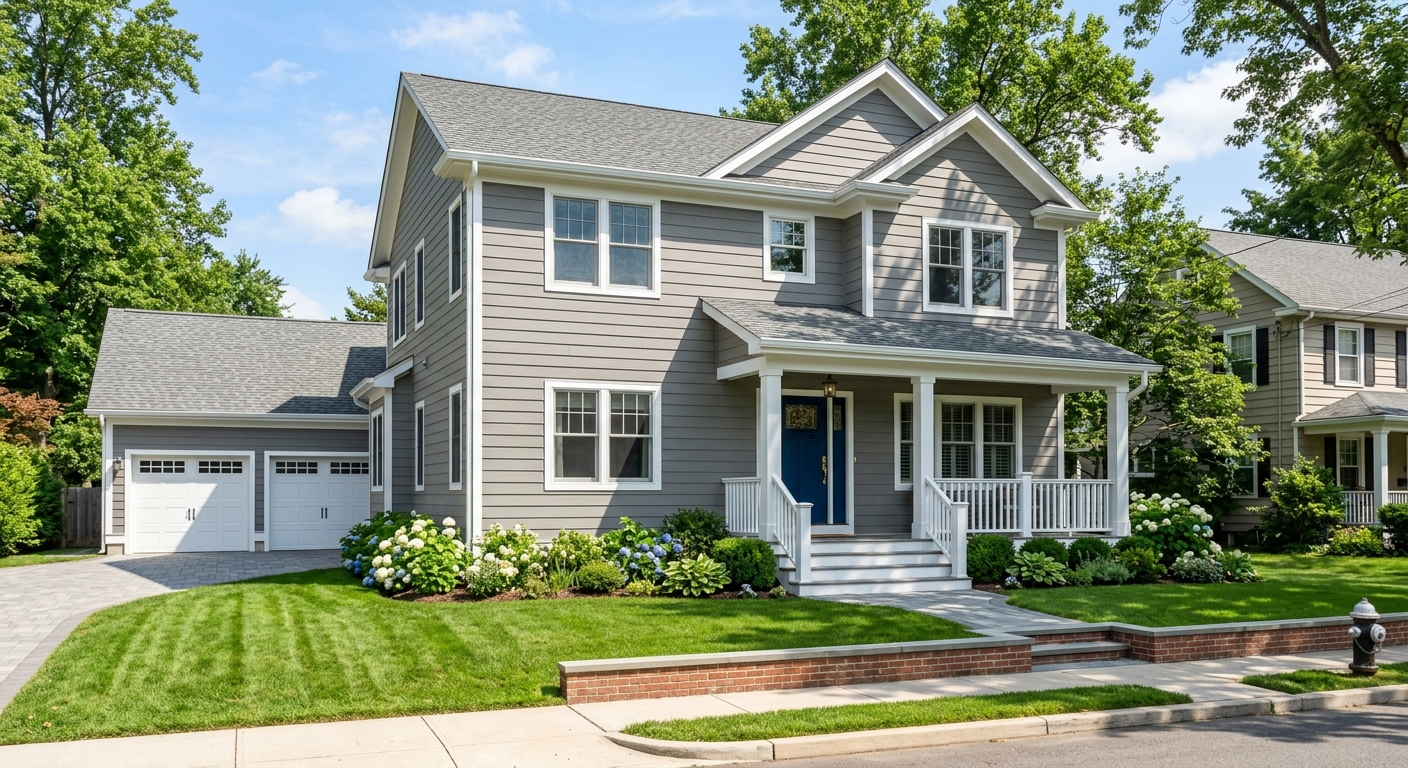
Painting options and costs in Edgemont Village
Edgemont Village, in the Lower Mainland–Southwest of British Columbia, is a great place to plan your next paint job—but the “right” option depends heavily on your home’s age, the condition of the surfaces, and the coastal weather pattern. With a population of about 1,213 residents (Statistics Canada, 2021 Census), the local trades community is smaller than in big-city cores, so scheduling and lead times can matter. Many houses around this pocket are mid-century to later builds, and if your home dates to pre-1978 construction, contractors often use lead-paint–safe prep when scraping or sanding is required (it’s not about fear—it’s about managing risk during surface preparation).
In the Lower Mainland–Southwest, exterior painting costs are shaped less by extreme cold and more by rain, humidity, and the need to hit dry windows. For interiors, you’ll typically see steadier availability through fall and winter because interior work is easier to schedule around weather. For neighbourhoods and streets with higher turnover and owner-managed renovations, we commonly see extra demand in the Edgemont area near the commercial strip and surrounding residential blocks, especially when homes are being refreshed for sale or after renovations.
To help you compare realistic budget ranges, here are typical project costs for Edgemont Village, assuming professional prep and standard material selections. Use this table as your baseline, then refine it with an itemised quote after a site walk.
| Service |
What's Included |
Typical Duration |
Price Range |
| Interior — whole home (walls, ceilings, trim) |
Protect floors, patch/fill minor defects, sand where needed, prime stains/repairs, caulk edges, paint walls/ceilings, paint doors and trim (no major custom millwork) |
5–10 days |
$3,500–$8,000 |
| Interior — per room (standard bedroom or living room) |
Prep, patch/sand minor spots, prime as required, paint walls and ceiling, mask/protect trim |
2–4 days |
$650–$1,800 |
| Exterior — full house (siding, trim, soffits) |
Power wash, scrape/spot-sand failures, caulk joints, prime bare/porous spots, paint siding/trim/soffits in system-compatible products |
1–3 weeks (weather windows) |
$6,000–$15,000 |
| Exterior — trim and accent colours only |
Clean, prep and prime trim accents, paint trim/doors where included; assumes siding base paint is in good condition |
5–10 days |
$1,200–$4,500 |
| Kitchen cabinet painting (doors, frames, spray finish) |
Hardware masking/removal as needed, deep clean/degrease, sand/abrade, prime bonding primer, spray finish coats, re-install and light touch-ups |
3–7 days (+ dry/cure time) |
$2,500–$6,500 |
| Specialty / faux finish (accent wall, texture) |
Surface leveling where required, specialty base coats, decorative finish application, protective topcoat |
2–7 days |
$500–$12,000 |
Prices are estimates only and vary by project scope, site access and material selection.
What affects the price of painting in Edgemont Village
Two contractors can quote the “same” paint job and still land 30–50% apart in the Lower Mainland–Southwest—and that gap isn’t usually because someone is cutting corners. It’s most often prep depth, product system compatibility, and how they manage the coastal schedule. In British Columbia, exterior work is constrained by rain and humidity rather than harsh freeze-thaw. That means we often pay for time: waiting for dry stretches, re-mobilizing crews, and using mildew-resistant, high-adhesion coatings to avoid premature failure.
On top of weather, Edgemont Village homes often show the classic signs of older finishes and settlement movement. Surface prep can account for roughly 50–70% of labour on a repaint. Examples: (1) if a prior coating is failing (blistering, peeling, chalking), scraping and priming must be done to a sound edge, not “paint over trouble”; (2) if you have wood trim with tannin bleed or older nicotine staining, we may need stain-blocking primer and additional spot-priming. Those steps add cost, but they prevent the rework that hits budgets later.
You’ll also see pricing move with system choices and labour intensity. For example, a whole interior refresh can sit around the lower end of the $300–$8,000 interior band when it’s walls-only and in good condition, but it moves into the mid-to-upper range once ceilings, trim, patching, and bonding primer are required. On exteriors, a trim-and-accent job may stay closer to $1,200–$15,000 depending on whether the siding needs no attention—or whether we must scrape, caulk, and prime more extensively.
In short: if your surfaces need repair, or if the job requires meticulous weather-timing, the quote reflects that reality.
| Price Factor |
Why It Matters |
Cost Impact |
| Surface prep — scraping, sanding, patching drywall or wood |
Prep determines adhesion; poor prep leads to peeling and rework |
+20% to +60% |
| Number of coats — 2-coat system over primer vs. 1 coat over existing |
Two-coat systems improve coverage and durability |
+10% to +30% |
| Paint quality tier — contractor-grade vs. premium (Benjamin Moore, Sherwin) |
Better pigments/resins often reduce sheen variation and wear |
+5% to +25% |
| Ceilings and trim — adds significant time vs. walls-only |
Trim edges need caulking, careful cutting-in and leveling |
+15% to +45% |
| Exterior season window — short season raises summer rates |
Scheduling pressure increases crew costs and start delays |
+10% to +40% |
| Lead-safe precautions — required for pre-1978 homes with lead paint |
Containment, HEPA cleanup, and disposal add time and materials |
+15% to +50% |
| Surface material — drywall vs. plaster vs. wood vs. stucco |
Different surfaces need different primers and prep intensity |
+10% to +35% |
| Height and access — multi-storey exterior requires scaffolding or lifts |
More setup time and safety planning |
+10% to +45% |
Permits & regulations in British Columbia
In British Columbia, painting generally requires no building permit. For homes built before 1978, the health guidelines commonly used by professionals recommend testing for lead paint before you sand, scrape, or disturb coatings, and using lead-safe work practices if lead is present. This isn’t typically a homeowner “permit” requirement, but it is standard contractor practice to manage exposure—think wet methods to reduce dust, HEPA vacuuming during cleanup, and proper disposal of debris.
What typically does not require a permit: routine interior painting, repainting walls/ceilings/trim, and most exterior coating work where there’s no structural change. What can trigger additional steps (not usually a painting permit, but compliance needs): removing or disturbing surfaces with suspected lead paint, and any situation involving hazardous materials handling that requires careful controls.
For the Edgemont Village homeowner verification, do it step-by-step:
- Licence/registration: check the contractor’s business listing and any applicable provincial registration details in the appropriate online directories available to the public.
- Liability insurance: request a current certificate of insurance showing general liability coverage.
- Workers’ compensation: confirm WSIB/WCB coverage (the coverage details should align with the contractor’s workers on site).
- Written contract: get paint brand, sheen level, number of coats, primer type, and the specific prep scope in writing (including what patching/caculking is included).
- Clearance/disposal details: if lead-safe practices are relevant, ask how containment, cleanup, and disposal will be handled.
Before any work begins, insist on those documents so you’re not relying on verbal assurances.
Interior vs exterior painting — getting the best result in Edgemont Village
In Edgemont Village’s Lower Mainland–Southwest climate, the difference between a long-lasting paint job and a premature failure is usually prep quality and system matching—not whether the topcoat is “the best brand.” For interiors, surface prep (filling, sanding, priming stains and repairs) matters more than chasing a particular label. A common mistake is skipping primer on patched or stained areas; that’s how you get flashing, peeling at edges, and uneven sheen. Sheen choice also affects longevity and appearance: flat/low-sheen hiding options work well on many ceilings and low-touch walls, while eggshell or satin is usually a better fit for living areas and hallways because it tolerates cleaning without looking glossy.
A second point that holds up in real homes: two coats over a properly primed surface typically outlasts one thick coat. Think of it as coverage plus film build—especially important when walls have patches or you’re moving from a darker to lighter colour.
For exteriors, coastal BC demands careful prep and weather planning. Caulking before painting helps prevent water ingress behind trim and along expansion joints, which reduces blistering and adhesion failures. Primer type matters by substrate: some porous wood and fibre-cement areas need specific bonding primers; latex systems often perform better with the right prep, while oil-based primers are sometimes used where stain blocking and adhesion require them. We also prioritize mildew-resistant products for the damp shoulder-season risk.
Cabinet painting is a smart budget alternative to replacement when you want a fresh look without the cost and disruption of new cabinetry. But it must be prepped correctly (degrease, sand/abrade, bonding primer, and a spray finish system) or it will chip or peel at edges.
If you’re deciding where money is “worth it”: for example, an interior per-room refresh might land around the lower-to-mid of $650–$1,800 when repairs are minimal. If you need significant patching and priming, expect the cost to move up—often justified because it prevents repeat painting later. For exteriors, paying for more prep and re-priming can be the difference between a job that holds for years and one that starts to fail within a season or two.
| Project Type |
Key Prep Step |
Recommended Coats |
Price Band |
| Interior — fresh drywall (new construction) |
Prime new drywall to seal, then fill/tape seams and sand smooth |
2 top coats (often with primer first) |
$1,200–$3,500 |
| Interior — repaint (good condition, no repairs) |
Light scuff-sand, clean, spot-prime if needed |
2 coats |
$650–$2,500 |
| Interior — repaint (patching and priming needed) |
Patch/fill, sand edges flush, prime repairs and stain areas |
2 coats over primer + targeted spot-prime as needed |
$1,000–$4,500 |
| Exterior siding (wood or fibre cement) |
Scrape failures, caulk, and prime bare/porous areas before finish |
2 finish coats (system-dependent) |
$6,000–$15,000 |
| Exterior trim and accents only |
Edge caulking and spot-priming before paint |
2 coats |
$1,200–$5,500 |
| Kitchen cabinets (spray finish) |
Degrease, abrade/sand, prime for adhesion, then spray finish |
2 finish coats plus primer |
$2,000–$6,500 |
How to choose a painting contractor in Edgemont Village
Choosing the right painting contractor in Edgemont Village is mostly about verification and clarity. Start by confirming British Columbia contractor details: ask for proof of liability insurance (certificate of insurance), and confirm workers’ compensation coverage for anyone working on site (WSIB/WCB documentation). Then request your written quotes itemised by labour and materials so you can compare apples-to-apples.
Get 2–3 itemised written quotes that break down prep tasks (scrape/sand/patch/prime), the coat count, paint brand and sheen, and whether caulking and protective masking/disposal are included. Don’t accept “lump sum” numbers without scope—painting failures are often scope failures. Also check warranty terms: ask for the workmanship warranty length, whether it includes peeling/adhesion issues caused by improper prep, and whether any manufacturer warranty on coatings is documented and transferable to you.
For payment schedule, protect yourself. Never pay more than 10–15% upfront; hold back until the job is complete and the final walkthrough is done. Insist on a written timeline: start date, number of working days, and an estimated completion date. In Lower Mainland–Southwest weather, exteriors can shift with rain and humidity—your contract should acknowledge weather windows rather than treating them as “the painter’s problem.”
- Ask whether the quote includes power washing and surface profiling for exteriors.
- Confirm caulking is included before painting (not “after if needed”).
- Ensure primer type is specified (bonding primer/stain blocker/appropriate system).
- Check whether scrape-and-spot-prime failures are included, not optional add-ons.
- Verify number of coats and sheen levels for walls, ceilings, and trim.
- Confirm prep for cabinets includes degreasing and sanding/abrading for adhesion.
- Ask how belongings and floors will be protected and cleaned.
- Check disposal is included (paint waste, sanding debris, caulk cleanup).
- Request proof of insurance and workers’ compensation before booking.
- Get lead-safe approach documented if your home is pre-1978.
- Confirm how touch-ups will be handled if minor defects appear after cure.
- Make sure a workmanship warranty is provided in writing.
Red flags I see too often in Edgemont Village: (1) a quote that skips primer or lists “1 coat” for repaints; (2) no proof of liability insurance or workers’ compensation; (3) refusing an on-site walkthrough but offering a fixed price; (4) vague scope like “prep as required” without detailing scraping/caulking; and (5) requesting large upfront payments beyond 10–15%.
Frequently asked questions — painting in Edgemont Village
Should I paint or wallpaper my Edgemont Village home?
In Edgemont Village and across British Columbia’s coastal climate, painting is usually the safer, lower-maintenance choice when you’re trying to refresh multiple rooms quickly. Wallpaper can look fantastic, but seams and edges are more sensitive to humidity and wall condition; if you have minor cracking or patchy drywall, prep still has to be excellent. Painting also tends to be easier to touch up after furniture moves or nail/anchor repairs. If your goal is resale-friendly neutrality, a clean paint palette with the right sheen often photographs better than patterned wallpaper. For budgets, interior painting commonly falls anywhere from $300–$8,000 depending on the number of rooms and whether ceilings/trim are included—wallpapering can cost more once prep and specialty materials are added.
How do I fix peeling exterior paint in Edgemont Village?
Peeling exterior paint in Edgemont Village usually means the existing coating has lost adhesion—painting over it without proper prep typically leads to the same problem reappearing. The proper fix is: remove loose material by scraping to a sound edge, sand feathered edges, wash and dry the surface, then prime bare and porous areas with the correct bonding/adhesion primer for your substrate. Next, caulk suspect joints and trim edges to prevent water ingress, and apply a compatible exterior system with mildew-resistant finish where needed for coastal humidity. Because timing matters with rain and humidity in the Lower Mainland–Southwest, contractors should schedule around dry weather windows. If your home is pre-1978, ask about lead-safe practices during scraping/sanding.
What colours add the most resale value in Edgemont Village?
For resale in Edgemont Village, buyers usually respond best to bright, neutral walls with a warm undertone and trim that reads crisp on inspection day. Think soft warm whites, greige (a balanced beige/grey), and light taupes for main living areas; keep accent colours to feature walls or built-ins so you don’t overwhelm smaller spaces. The sheen matters too: a low-sheen finish on walls helps hide minor imperfections, while satin/semigloss trim and doors create a cleaner, more “finished” look. If you’re budgeting, you can often stay within the interior painting band $300–$8,000 by choosing a consistent palette across the home rather than creating multiple custom colour variations. A professional can also suggest colours that match your flooring and lighting to avoid expensive repaint cycles.
How much does it cost to paint a house in Edgemont Village?
The total cost depends on whether you’re painting interior only, exterior only, or both—and how much surface prep is required. For a full interior, homeowners typically see ranges across the interior band of $300–$8,000, with whole-home projects often landing toward the mid-to-upper end when ceilings and trim are included. For a full exterior, costs commonly fall within the exterior band of $1,200–$15,000, and the bigger driver is prep: scraping failing coatings, patching cracks, caulking, and priming bare wood/fibre cement. Coastal BC humidity also affects scheduling; if exterior weather windows compress, labour costs can rise. If your home is older (pre-1978), lead-safe precautions during sanding or scraping can add cost, but it’s important for safe work practices.
How much does interior painting cost per room in Edgemont Village?
Interior painting per room in Edgemont Village usually lands in the $650–$1,800 range for a standard bedroom or living room when surfaces are in decent shape and the scope is typical (walls and ceiling with masking/edge protection). If you need more preparation—noticeable patching, stain-blocking, or extensive sanding—your quote can move upward within the larger interior band $300–$8,000 because primer and labour time increase. If trim and doors are added, that’s another cost jump because it takes more cutting-in time and often a higher-build finish for a durable look. The best way to confirm your number is an itemised quote that lists prep steps, primer type, sheen, and the coat count.
When is the best time for exterior painting in Edgemont Village?
For Edgemont Village and the Lower Mainland–Southwest, the “best” time for exterior painting is the period with consistent dry weather and lower humidity risk—not just a certain month. In practice, contractors often start when there are reliable dry windows and finish before prolonged wet stretches return, because exterior coatings need time to dry and cure properly. Coastal BC can have a longer usable season than some provinces, but rain and humidity can still cause adhesion issues or extended drying times if crews can’t work through weather gaps. If you’re painting siding and trim, ask your contractor how they manage weather interruptions (daily planning, product selection for mildew resistance, and cure times). For pre-1978 homes, start planning earlier too, since lead-safe prep can add time.