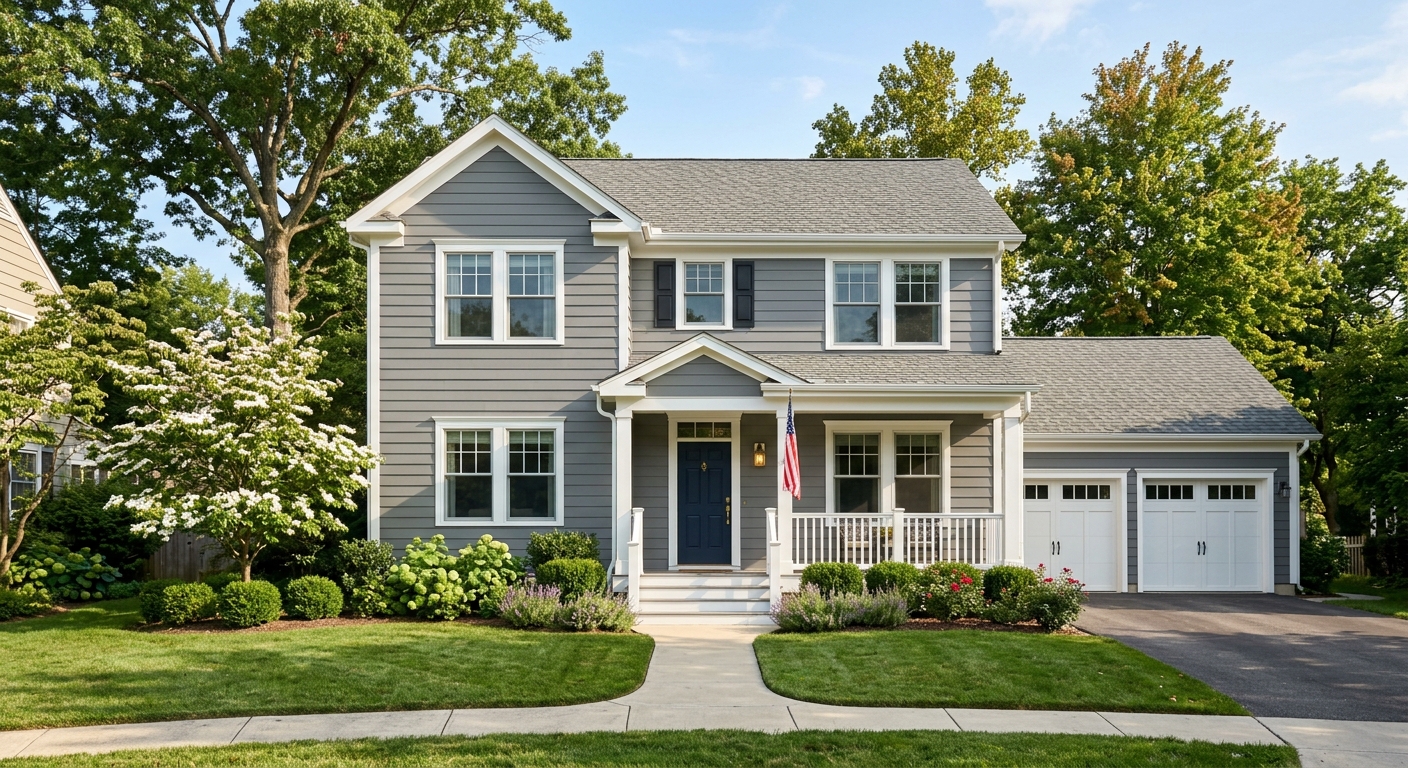
Painting options and costs in Wawa
Wawa homeowners usually start with a simple question—“what will it cost to paint?”—but the right answer depends on how much prep is needed and how quickly the weather will cooperate. In Wawa’s housing stock, 86.8% of homes were built before 1981, so many projects involve more than rolling on new colour: failing coatings, tight caulking lines, and patchy surfaces often mean scraping, sanding, patching, and priming before the finish coats can go on. That same age profile is why lead-safe work practices are commonly part of professional prep for older substrates, even though Ontario doesn’t require a permit for painting.
Cost also reflects the Northeast market reality. In Ontario and nearby regions, exterior painting is tightly climate-bound—most contractors aim for a late spring through early fall window when temperatures are reliably warm during application. When crews are busy, summer scheduling pressure can raise labour premiums, and touch-ups or “quick jobs” can cost more because they take labour out of the main run of work. Even in Wawa, north-facing or shaded elevations tend to stay cooler and can slow drying, which affects how fast coats can be completed.
Based on where demand concentrates, painting contractors often see higher turnarounds for jobs around downtown Wawa and the Lakeshore area, where homes can have tight access and frequent summer traffic. From there, the scope usually splits into interior repaints, full exterior packages, and cabinet updates—so use the table below as your starting point for comparing options.
| Service |
What's Included |
Typical Duration |
Price Range |
| Interior — whole home (walls, ceilings, trim) |
Move light furnishings as needed, protect floors, caulk where required, patch & sand minor defects, prime bare spots, 2-coat finish on walls/ceilings, prep & paint trim/doors; includes basic cleanup |
5–10 days |
$4,500–$9,000 |
| Interior — per room (standard bedroom or living room) |
Protect floors, patch/sand minor defects, caulk trim gaps as needed, prime if required, 2-coat walls/ceiling; option to include door casing/door prep |
1–3 days |
$2,500–$4,500 |
| Exterior — full house (siding, trim, soffits) |
Powerwash or chemical clean, scrape loose/peeling coating, sand edges, caulk gaps, patch as needed, prime bare wood or failing areas, 2-coat exterior system on siding & trim, protect landscaping and windows |
7–14 days |
$8,000–$15,000 |
| Exterior — trim and accent colours only |
Clean surface, spot-scrape/spot-sand, caulk, prime as needed, 2-coat trim/accents; assumes siding/base colours remain unchanged |
3–7 days |
$4,000–$8,500 |
| Kitchen cabinet painting (doors, frames, spray finish) |
Degrease, clean & scuff-sand, remove hardware (or protect it), prime bonding coat, spray finish on doors/drawers, 2-coat system, light hardware re-install; includes basic masking/cleanup |
5–10 days (longer with drying time) |
$3,000–$6,000 |
| Specialty / faux finish (accent wall, texture) |
Surface evaluation and prep, primer where required, custom texture/faux application, protective topcoat; includes testing a sample area before full work |
2–6 days |
$800–$5,000 |
Prices are estimates only and vary by project scope, site access and material selection.
What affects the price of painting in Wawa
Even when homeowners agree on “the same paint colour,” quotes for painting in Wawa can differ by 30–50% across the Northeast and Ontario because the biggest variable isn’t the topcoat—it’s the labour required to prep and protect. Paint coverage is the easy part; prep, drying time, and cleanup are what decide whether your schedule stays on track or gets re-worked. On older houses, that gap widens further: with 86.8% of homes built before 1981, many jobs include more surface defects like failed caulking, cracking edges around windows, and patches that need priming for adhesion.
Exterior costs are also heavily driven by the season. In Ontario, contractors typically aim for late May to early October for exterior work when temperatures are above 10°C and rising during application. When that window compresses demand, labour gets scheduled tightly, and a “partial exterior” can cost near the same hourly rate as a full job because crew mobilization doesn’t change much. In coastal climates you’ll see longer seasons, but higher humidity and rainfall mean contractors rely on mildew-resistant acrylics and careful coat timing; the same principles—humidity control and timing coats to avoid cool nights—still affect drying in shaded Wawa elevations.
Concrete Wawa examples: (1) A repaint where 50–70% of the labour goes into scraping, caulking, and priming will land in the higher end of the exterior band (often $8,000–$15,000), while (2) a trim refresh with minimal sanding can stay closer to $4,000–$8,500. Interior jobs can swing too—adding ceilings and trim can push the project toward the top of the interior whole-home range because it increases prep lines, masking, and detail time.
| Price Factor |
Why It Matters |
Cost Impact |
| Surface prep — scraping, sanding, patching drywall or wood |
Prep controls adhesion; failing coatings and loose edges must be removed and feathered |
Often the largest driver—can add 20–60% versus “clean surface” assumptions |
| Number of coats — 2-coat system over primer vs. 1 coat over existing |
Coverage and durability depend on proper film build, especially over patches or stains |
+10–30% when priming and full 2-coat coverage are required |
| Paint quality tier — contractor-grade vs. premium (Benjamin Moore, Sherwin) |
Higher tiers can cover better and tolerate wash/abrasion with fewer defects |
Materials may shift 5–15%, but can reduce labour for rework |
| Ceilings and trim — adds significant time vs. walls-only |
More lines to tape, more detail edges, and more sanding/feathering |
Typically +15–40% depending on how much trim is included |
| Exterior season window — short season raises summer rates |
When demand is high, scheduling premiums and mobilization costs increase |
Can add 10–25% during peak months |
| Lead-safe precautions — required for pre-1978 homes with lead paint |
Testing/containment/cleanup increase time and materials when lead is present |
Often +5–20% depending on risk and substrate condition |
| Surface material — drywall vs. plaster vs. wood vs. stucco |
Different substrates demand different primers and sanding/repair methods |
Can shift 10–30% based on primer and patching requirements |
| Height and access — multi-storey exterior requires scaffolding or lifts |
Higher elevations increase safety measures, time, and equipment needs |
Commonly +15–35% for multi-storey homes |
Permits & regulations in Ontario
In Ontario, painting itself does not require a permit for homeowners. For typical interior and exterior paint work—scraping, sanding, priming, and applying coatings—you can proceed without a building permit.
The main regulatory “watch” point isn’t a painting permit; it’s health and safety when dealing with older coatings. For homes built before 1978, health guidelines recommend testing for lead paint before sanding or scraping, and using lead-safe work practices if lead is present. Professional crews commonly use wet methods to suppress dust, HEPA vacuuming, proper containment, and disposal procedures. This isn’t something homeowners are legally mandated to do in every situation, but it’s standard practice for contractors because it reduces exposure risk.
What does require permits is usually not the paint, but related construction or structural work (for example, major alterations, additions, or HVAC changes). For pure repainting, plan on documenting prep and product details instead: get a written contract that specifies paint brand/line, sheen, number of coats, and surface prep included.
Before hiring in Wawa, verify three things: (1) liability insurance certificate, (2) WSIB/WCB coverage for workers, and (3) a written scope that matches what’s actually being done. Step-by-step: ask for the insurer’s certificate showing the current policy, request the WSIB/WCB account info or clearance letter, and confirm the company’s business details—then match those documents to the name on your contract.
Interior vs exterior painting — getting the best result in Wawa
In Wawa’s Northeast Ontario climate, the difference between a long-lasting paint job and early failure is mostly preparation and product selection—not the “flashiness” of the colour. For interiors, the biggest win is surface prep: filling and sanding nail holes or cracks, sanding shiny surfaces for adhesion, and priming repaired or bare areas. Even excellent paint can fail if dust, patch compound inconsistencies, or unprimed repairs remain. Sheen matters too. Flat or matte often hides wall imperfections, but eggshell or satin typically performs better in higher-touch areas like hallways and living rooms. And regardless of brand, two coats over a proper primer (especially after repairs) nearly always outlast a single thick coat—because you get more uniform film build without thin spots.
For exteriors, Ontario’s moisture cycles and cooler shoulder-season nights make prep non-negotiable. Caulk first (after cleaning and surface readiness) to prevent water ingress along window and trim joints, then prime bare wood or profiles that need bonding. Primer type is crucial: substrates like wood, fibre cement, or previously stained surfaces may require different primers to lock down adhesion and tannin issues. While mildew resistance is often discussed more in coastal climates, Wawa’s shaded elevations still benefit from coatings designed for damp conditions and from scheduling that avoids painting before surfaces are fully dry.
Kitchens are where budgeting can be smart. Cabinet painting is usually a worthwhile alternative to replacement—when boxes are sound. For example, if cabinet replacement would run much higher, a spray cabinet paint scope in the $3,000–$6,000 range can be justified versus doing a light touch-up that fails later and costs more to redo.
For pre-1978 homes, factor lead-safe precautions into the timeline: testing, containment, and cleanup can add time on scraping-heavy areas, but it protects occupants and keeps the finish from being interrupted by safety requirements.
| Project Type |
Key Prep Step |
Recommended Coats |
Price Band |
| Interior — fresh drywall (new construction) |
Prime properly, sand between coats, caulk edges and joints |
2 coats on walls/ceilings (primer + 1 finish) for most colour changes |
$4,500–$7,500 |
| Interior — repaint (good condition, no repairs) |
Degloss/surface cleaning, spot-prime if needed, tape/protect crisp lines |
2 coats finish over existing where adhesion is confirmed |
$2,500–$5,500 |
| Interior — repaint (patching and priming needed) |
Patch, sand, feather edges, prime repairs and any stained areas |
2 coats finish after primer on patches |
$3,500–$9,000 |
| Exterior siding (wood or fibre cement) |
Clean, scrape failing areas, caulk, prime bare spots, sand edges |
Primer + 2 finish coats for durability on repaint work |
$8,000–$15,000 |
| Exterior trim and accents only |
Spot-scrape, sand, caulk joints, prime affected areas |
Prime as needed + 2 finish coats |
$4,000–$8,500 |
| Kitchen cabinets (spray finish) |
Degrease, scuff-sand, prime bonding coat for adhesion |
2-coat finish after primer (spray system) |
$3,000–$6,000 |
How to choose a painting contractor in Wawa
Choosing the right contractor in Wawa comes down to verification and documentation. Start with Ontario requirements in mind: while painting typically doesn’t require a permit, reputable companies should be insured and properly covered for their workers. To check liability insurance, ask for a certificate of insurance and confirm it includes general liability and that it lists the correct legal business name. For WSIB/WCB coverage, request the clearance or confirmation your contractor is in good standing; you can compare what they provide against the name on the invoice and contract. If a contractor can’t provide insurance documentation promptly, that’s a major warning sign.
Next, insist on 2–3 itemised quotes. You want a breakdown that separates labour from materials and lists what’s included in prep, number of coats, and which surfaces are painted (walls vs. ceilings vs. trim). Ask whether permit pull is applicable (usually not for standard repainting), and confirm disposal and site cleanup are included—especially on exterior work where scraping debris is common.
Warranty should be clear. Look for a workmanship warranty length (for example, how they handle peeling, flaking, or adhesion issues) and understand whether product warranties are manufacturer-only or also backed by labour. Also confirm if the warranty is transferable when you sell your home.
Payment schedule matters. Never pay more than 10–15% upfront; use progress milestones and hold back a portion until the job is complete and inspected. Ask for a written start date and an estimated completion date, and make sure it reflects weather realities in Northeast Ontario.
- Request certificate of liability insurance before signing.
- Confirm WSIB/WCB clearance or proof of coverage for workers.
- Get itemised quotes (labour vs. materials) rather than one lump sum.
- Confirm exact paint line/brand and sheen, not “equivalent” wording.
- Ensure the scope lists prep details: scrape/sand, caulking, patching, priming.
- Ask how they protect landscaping, floors, and windows (and who restores if damaged).
- Verify disposal is included for debris from scraping and sanding.
- Confirm number of coats per surface (walls/ceilings/trim, exterior siding/trim).
- Ask about colour change process for high-coverage issues and patch blending.
- Review warranty terms in writing (workmanship and product coverage).
- Use a payment schedule with a holdback until walkthrough completion.
- Get a written timeline tied to a realistic weather window for exterior work.
In Wawa, I’ve seen these red flags end in costly repainting: (1) quotes that skip surface prep (“we’ll paint over it”), (2) no proof of WSIB/WCB or liability insurance, (3) no written scope specifying coats and primer use, (4) pushing for large upfront payments, and (5) unclear warranty coverage for adhesion/peeling issues after the job is done.
Frequently asked questions — painting in Wawa
Should I paint or replace my cabinets?
In Wawa, most homeowners start by comparing cabinet painting to replacement, and the decision usually comes down to cabinet box condition and your tolerance for timeline. If the cabinet frames are solid, cabinet painting is often the smarter move: many jobs in Ontario land around $3,000–$6,000 for a spray finish on doors and drawers, and you avoid the labour and mess of demolition and new install. Replacement makes sense when the boxes are warped, the hardware layout is changing, or doors are beyond repair. If you’re repainting, insist on bonding primer and a proper degreasing step—kitchen grease is a common reason finishes fail. Also plan for lead-safe considerations if your home is older (many Wawa homes were built before 1981, and coatings may contain lead), and factor in additional prep if testing/containment is required. (Statistics Canada, 2021 Census)
How do I prep walls before painting?
Proper prep is what homeowners can control most, but it’s also where contractors often spend time to get a lasting result. If you want to prep ahead in Wawa, focus on cleaning and removing obstacles: wipe walls to remove grease, dust, and fingerprints, and patch small holes with spackling compound when they’re truly minor. Avoid sanding aggressively if you suspect old coatings contain lead—pre-1978 homes should be handled with lead-safe precautions and, in professional workflows, testing is often recommended before scraping or sanding. For most repaint jobs, the contractor will still do the critical prep: tape/protect, sand for adhesion, caulk gaps, prime bare or stained areas, and apply a consistent 2-coat system. If you’re deciding between interior options, a well-prepped repaint typically fits within the interior band around $2,500–$5,500, while heavy patching and priming pushes closer to the higher end.
Do I need to worry about lead paint in an older Wawa home?
It’s smart to take lead paint seriously in older Wawa homes. With 86.8% of dwellings in the area built before 1981, there’s a meaningful chance that older coatings may contain lead. Ontario doesn’t require a painting permit for repainting, but professional best practice for homes built before 1978 is to test for lead before scraping or sanding when lead is suspected, and to follow lead-safe work practices if it’s present (wet methods, HEPA vacuuming, and proper disposal). Homeowners aren’t always legally required to do testing before repainting, but the risk is exposure during dust creation. If your project includes disturbing old paint—like scraping peeling areas or removing layers—ask your contractor how they handle lead-safe precautions and whether they can document their method and waste handling. It may affect both timeline and cost, especially on surfaces with heavy failure.
How long does it take to paint a house?
Timelines in Wawa depend on whether you’re painting interior-only or tackling the full exterior, plus how much prep the surfaces need. For many interior whole-home projects, a realistic window is about 5–10 days, assuming surfaces are accessible and repairs are limited. If there’s significant patching, priming, and trimming detail work, the schedule can stretch because each coat needs proper dry time and sanding/spot-priming can add days. For exteriors, weather rules the calendar: Ontario’s exterior painting season generally runs late May to early October, and cooler nights, rain, or damp surfaces can delay coats. A full exterior house repaint often takes about 7–14 days of on-site work, but drying and scheduling can extend overall duration. If you need the job completed before a particular event, request a written start and completion estimate and plan for a weather buffer.
What's the difference between paint quality tiers?
Paint tiers can affect how smoothly the final coat goes on, how well the finish hides patches, and how long it stays looking clean when touched and washed. Contractor-grade paints may be fully acceptable for many interiors, but premium lines often provide better coverage and more consistent film build, which can reduce rework and patch-to-wall flashing—especially on difficult repaint conditions. In practical quote comparisons, the big savings or cost increases come from prep and coating system decisions (primer choice, number of coats, and sheens), not just from the name on the label. When you’re comparing bids, look for what’s promised in writing: the primer system, the number of coats, and sheen selection (flat vs. eggshell vs. satin for traffic areas). For exterior work, durable systems often land in the $8,000–$15,000 band when prep is substantial, while trim-only projects may stay closer to $4,000–$8,500 because the coating area is smaller.
How do I compare painting quotes?
To compare quotes fairly in Wawa, treat the bids like a scope comparison, not a price comparison. Start by asking for itemised detail: labour vs. materials, which surfaces are included (walls, ceilings, trim, soffits), and exactly what prep is covered (scraping, sanding, patching, caulking, priming). Confirm the number of coats per surface and whether primer is included when bare wood or repaired areas exist. Check if disposal and cleanup are included—this can change labour time and cost. Next, compare timelines and access assumptions (multi-storey scaffolding or lifts, parking/loading constraints, and how they’ll protect landscaping). Finally, verify documentation: liability insurance and WSIB/WCB coverage. If one quote is significantly lower than the others, it’s often because prep is reduced or the quote assumes “no repairs needed.” A well-scoped interior whole-home job typically sits around $4,500–$9,000, while exteriors vary widely with prep and schedule.