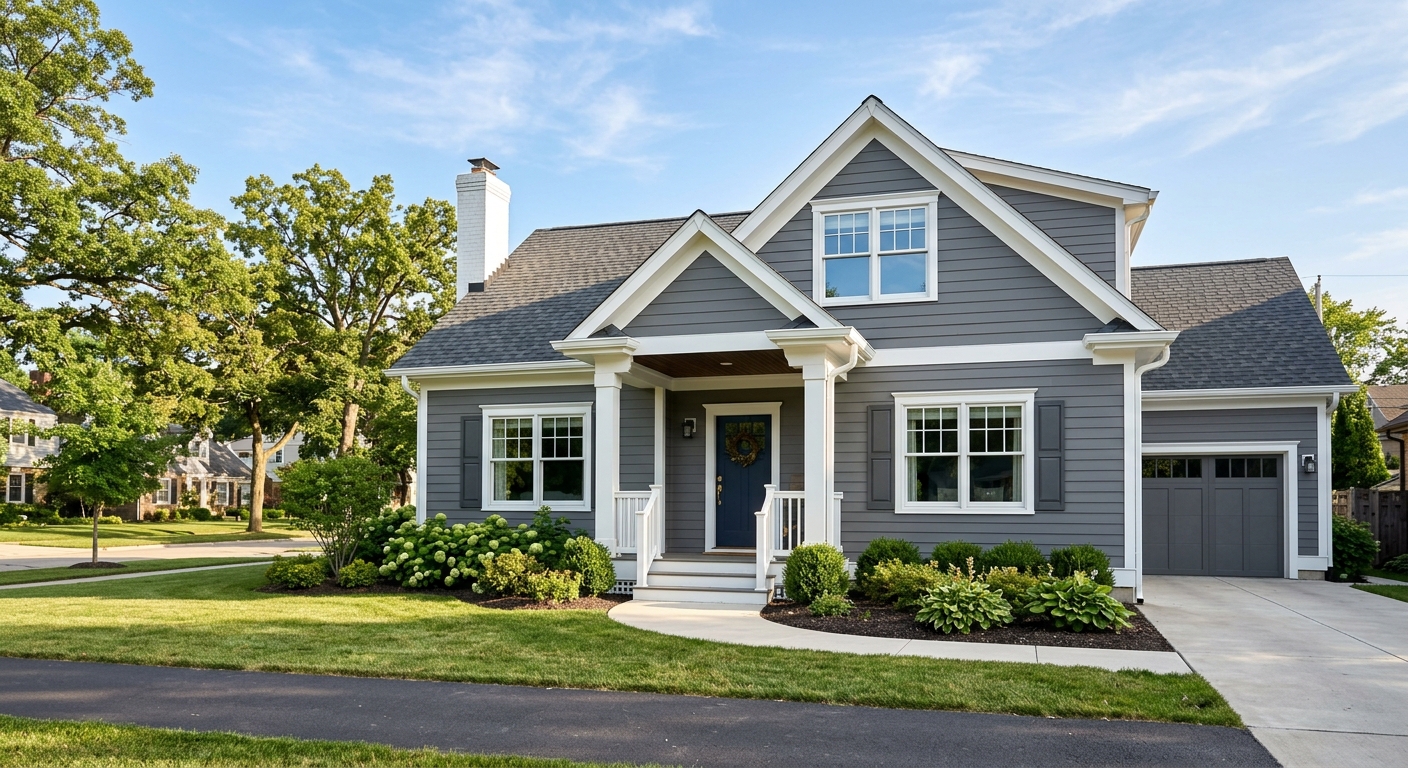
Painting options and costs in Glenfield-Jane Heights
In Glenfield-Jane Heights, your painting budget is shaped by both your home’s age and the short Toronto outdoor season. With a population of 30,491 (Statistics Canada, 2021 Census), demand is steady around busy renovation months, and that affects availability and scheduling. Just as important, many houses in this area are older—pre‑1980 homes are common—which typically means more surface prep like scraping, caulking, patching and priming, and in some cases lead-safe precautions for pre‑1978 trim and railings. That prep work is often the difference between a paint job that looks great for a year and one that lasts through another round of Ontario weather.
In the Greater Toronto Area, exterior painting is tightly climate-dependent. Contractors usually aim for late May through June, then September into mid‑October, when temperatures stay above about 10°C for 24–48 hours and humidity is moderate enough for curing and adhesion. Peak summer demand can also push pricing about 10–15% higher in June–August. By contrast, interiors in Glenfield-Jane Heights are less season-sensitive, so differences in quotes are usually driven by labour complexity—ceiling height, stairwells, furniture/masking, and whether repairs and multiple coats are needed. For many homeowners, the best value comes from investing in the right preparation and coat system, then choosing a paint tier that matches the traffic level in each room.
Use the table below as a starting point for comparing options across interior refreshes, exterior repaints, and cabinet painting—then we’ll break down what moves the numbers up or down.
| Service |
What's Included |
Typical Duration |
Price Range |
| Interior — whole home (walls, ceilings, trim) |
Protect flooring/furnishings, prep/spot repair, prime as needed, paint walls and ceilings, caulk where required, paint baseboards/door trim, cleanup and final walk-through |
3–7 days |
$2,000–$6,000 |
| Interior — per room (standard bedroom or living room) |
Move/cover furniture, prep and patch, prime spots, paint walls, paint trim/baseboards (scope may vary), cleanup |
1–2 days |
$400–$1,200 |
| Exterior — full house (siding, trim, soffits) |
Wash and dry, scrape/sand/spot repair, caulk joints, prime bare or failed areas, paint siding and trim/soffits, detailed edge work, final cleanup |
5–12 days |
$4,000–$8,000 |
| Exterior — trim and accent colours only |
Targeted prep of trim/rails/soffits, spot prime, repaint designated accents, protect siding, cleanup |
2–6 days |
$1,500–$4,500 |
| Kitchen cabinet painting (doors, frames, spray finish) |
Full degrease, hardware removal, sanding/scuffing, bonding primer, spray-finish application, light touch-ups, re-install hardware |
4–10 days |
$2,000–$4,000 |
| Specialty / faux finish (accent wall, texture) |
Surface prep, specialty technique application, protective topcoat, limited coverage areas, cleanup |
1–5 days |
$600–$5,000 |
Prices are estimates only and vary by project scope, site access and material selection.
What affects the price of painting in Glenfield-Jane Heights
In Toronto and across Ontario, two quotes for what sounds like the same job can differ by 30–50% because painting is labour-heavy and prep-driven. Product cost matters, but the biggest variable is what’s happening on your surfaces: failing paint, cracking, water staining, patch repairs, trim detailing, and accessibility. Older homes throughout this region can increase labour substantially—scraping, sanding, caulking, priming, and multiple coat systems can make up 50–70% of total effort on a repaint. That’s why one contractor’s “repaint” may include only topcoats, while another’s includes the prep needed to stop peeling or flaking from returning.
For exteriors, the season in the GTA is short and tightly linked to workable conditions. In Ontario, contractors typically schedule exterior work from late May to early October; temperatures need to be above about 10°C and stable during application and curing. Unlike coastal BC—where mildew and constant dampness drive mildew-resistant coatings and very cautious timing—the GTA’s challenges are frost, rain, and humidity spikes. Shorter “ideal” weeks concentrate demand, which often pushes exterior pricing 10–15% higher in June–August. If you’re repainting exterior siding and trim, that season pressure can be one reason you might see a wider range within the exterior band (for example, exterior full-house work commonly lands between $4,000–$8,000 depending on prep intensity).
Concrete examples in Glenfield-Jane Heights: (1) a home with peeling paint at window heads usually means more scraping to sound substrate and additional primer—often adding hundreds of dollars in labour before the first topcoat; (2) a multi-storey exterior with limited driveway access can require scaffolding or a lift, increasing day count and material handling; and (3) choosing a premium paint tier for high-touch interior doors can cost more upfront, but it can reduce scuffing and repaint frequency compared with budget options—especially when a “walls only” refresh would otherwise miss trim and high-wear areas.
| Price Factor |
Why It Matters |
Cost Impact |
| Surface prep — scraping, sanding, patching drywall or wood |
Determines adhesion and longevity; failing coatings require removal to sound material |
Can be 50–70% of labour on repaints |
| Number of coats — 2-coat system over primer vs. 1 coat over existing |
Colour change, sheen consistency, and coverage depend on proper coat count |
Often shifts cost by 10–25% |
| Paint quality tier — contractor-grade vs. premium (Benjamin Moore, Sherwin) |
Coverage, scrub resistance, and durability vary; premium lines often need fewer touch-ups |
Materials may add ~5–20% overall |
| Ceilings and trim — adds significant time vs. walls-only |
Trim detail and edging require careful cutting and caulking; ceilings increase time and PPE/masking |
Can add 15–40% depending on scope |
| Exterior season window — short season raises summer rates |
Limited “ideal weeks” affect scheduling; rain or low temps can delay cure |
May raise exterior pricing 10–15% in June–August |
| Lead-safe precautions — required for pre-1978 homes with lead paint |
Special containment and HEPA cleanup reduce risk when disturbance is possible |
Often adds 5–15% on affected areas |
| Surface material — drywall vs. plaster vs. wood vs. stucco |
Different substrates need different primer bonding and patch compounds |
Primers/repairs can add 5–20% |
| Height and access — multi-storey exterior requires scaffolding or lifts |
More safety setup, labour time, and equipment rental |
Can add 10–30% on exterior |
Permits & regulations in Ontario
In Ontario, painting typically does not require a permit for the homeowner. What does change is the safety and work-practice requirements on older properties. For homes built before 1978, health guidelines recommend testing for lead paint before sanding, scraping, or grinding, and using lead-safe work practices if lead is present. In practice, that means wet methods to reduce dust, HEPA vacuuming, proper containment, and correct disposal of waste. This isn’t usually “permit paperwork” for homeowners, but it is standard professional practice for contractors and a major reason your quote may include additional prep time on older trim, window components, and railings.
Some home-related tasks do require permits in other trades (like electrical or structural work), but painting itself generally does not. Regardless, a reputable contractor should carry liability insurance and WSIB/WCB coverage for workers, and they should provide a written contract. Your contract should clearly specify paint brand and sheen, the number of coats, primer type where required, and what preparation tasks are included (for example, pressure washing, scraping to sound substrate, caulking, and disposal).
How to verify coverage step-by-step in Glenfield-Jane Heights: (1) ask for the contractor’s WSIB clearance letter and confirm the certificate matches the legal business name; (2) request a current certificate of liability insurance naming you as the certificate holder if offered; (3) verify licensing details through Ontario’s public resources that list contractor information; and (4) confirm the contract includes a detailed scope—so you can hold them to the same prep and coat system you paid for.
Interior vs exterior painting — getting the best result in Glenfield-Jane Heights
In Glenfield-Jane Heights, the “looks good today” paint job is the easy part—durability in Ontario is all about prep quality, coat system, and timing. For interiors, the difference between a long-lasting finish and premature failure is usually surface prep: filling, sanding, priming, and proper caulking at trim edges. Even premium paint won’t bond well to chalky or dirty surfaces. Sheen choice matters too: flat/eggshell can help hide wall imperfections, while satin or semi-gloss is better for trim and doors because it withstands cleaning. As a rule, two coats over a proper primer will outlast one heavy coat, especially when covering repairs or changing colours in hallways and living areas.
For exteriors, Ontario weather adds stress cycles: sun exposure, rain, freeze-thaw, and humidity spikes. Surface prep is again the foundation—washing, scraping to sound material, and spot priming before topcoats. Caulking before painting helps prevent water ingress at joints; painting over missing or brittle caulk can trap moisture and lead to faster peeling. Primer selection is substrate-dependent (for example, bonding primers for problematic areas). In the GTA, you don’t need the same “coastal mildew obsession” as some coastal climates, but you still need products that can handle humidity and short curing windows when temperatures rise. Planning for the GTA’s working temperatures (often above 10°C for 24–48 hours) also reduces the risk of poor adhesion.
Cabinet painting is a budget alternative to replacement when surfaces are properly degreased, scuffed, and primed. If you’re tempted to re-stain or refinish only visible faces, consider the cost-per-year: doing a true full-door-and-frame spray finish typically costs more up front, but it prevents uneven sheen and edge bleed. For example, many homeowners compare interior room updates in the $400–$1,200 range versus a whole-home approach that can reach $2,000–$6,000—the bigger price is justified when it includes consistent prep standards across ceilings, trim, and high-touch areas.
| Project Type |
Key Prep Step |
Recommended Coats |
Price Band |
| Interior — fresh drywall (new construction) |
Drywall compound cure + prime (and spot prime) before finish paint |
Primer + 2 finish coats |
$2,000–$6,000 |
| Interior — repaint (good condition, no repairs) |
Clean/dust removal + light sanding and spot caulk only |
1–2 finish coats depending on colour change |
$400–$2,500 |
| Interior — repaint (patching and priming needed) |
Patch, sand flush, prime repairs to prevent flashing |
Primer spots + 2 finish coats |
$800–$3,500 |
| Exterior siding (wood or fibre cement) |
Scrape to sound areas, caulk joints, prime bare substrate, then topcoat |
Prime as needed + 2 coats |
$4,000–$8,000 |
| Exterior trim and accents only |
Protect siding, scrape/prime failed trim edges, detailed caulking |
Prime spots + 2 finish coats (typical) |
$1,500–$4,500 |
| Kitchen cabinets (spray finish) |
Degrease thoroughly + bonding primer before spray topcoat |
Primer + 2 topcoat applications |
$2,000–$4,000 |
How to choose a painting contractor in Glenfield-Jane Heights
Choosing the right painter in Glenfield-Jane Heights is mostly about verifying three things: coverage, scope clarity, and accountability. First, ask for WSIB/WCB coverage proof—request a current WSIB clearance letter (or WCB equivalent if applicable to the contractor’s structure) and confirm it matches their legal business name. Next, request a certificate of liability insurance and review expiry dates and coverage limits. Finally, verify contractor information through Ontario’s public resources—look for consistency with the quote and contract.
Then get 2–3 itemised written quotes. You want labour and materials broken out separately, not a single lump sum. Compare what’s included: pressure washing, scraping/sanding level, caulking type, primer brand/tier, number of coats, protection/cleanup, and whether disposal is included. Ask whether permits are required for anything else on the project (painting itself usually isn’t), and confirm that the quote includes any lead-safe work practices if your home is pre‑1978.
Warranty matters. Ask for workmanship warranty length, what it covers (peeling, flaking, adhesion issues), whether product/manufacturer warranty applies directly to you, and whether it’s transferable if you sell. Payment schedules should be conservative: never pay more than 10–15% upfront, and hold back a portion until the job is complete and inspected. Also require a written start date and an estimated completion window; in the GTA, weather can interrupt exterior work, so the timeline should include realistic weather-dependent curing gaps.
- Confirm WSIB/WCB coverage with a current clearance letter
- Request liability insurance certificate (check dates and business name match)
- Get 2–3 itemised quotes (labour + materials) instead of lump sums
- Ensure the scope lists prep steps: wash, scrape, sand, patch, prime, caulk
- Verify coat count and whether primer is included “as needed”
- Ask which paint brands and sheens are being used
- Confirm disposal and cleanup are included (waste hauling)
- Require lead-safe approach on pre‑1978 homes (if applicable)
- Check how they protect landscaping, eaves, windows and hardware
- Read the warranty terms in writing (coverage, duration, exclusions)
- Agree to a payment schedule with a holdback until final inspection
- Get start date and completion estimate in writing
Red flags I see in Glenfield-Jane Heights include: quotes that skip surface prep details, promises of “one-coat coverage” on repaints, refusal to provide WSIB/liability proof, vague warranty language, and asking for large upfront deposits beyond 10–15%.
Frequently asked questions — painting in Glenfield-Jane Heights
What's the difference between paint quality tiers?
In Glenfield-Jane Heights, paint quality tiers mainly differ in coverage, durability, and how they handle cleaning over time. Premium lines (often carried by major retailers) usually have better pigment strength and stronger binder systems, which helps achieve an even finish with fewer touch-ups—especially on repaired drywall and high-traffic areas. Contractor-grade paints can still perform well when prep is done correctly, but they may require more coats to hide patches and can scuff sooner on trim, door edges and cabinet doors.
In practical quote comparisons in Ontario, the “tier” matters most when you’re also comparing prep scope. If one contractor includes proper priming and another doesn’t, a cheaper paint can end up costing more long-term. For reference, interior projects typically fall anywhere from $400–$6,000, and paint tier differences usually show up within that range through coverage and longevity.
How do I compare painting quotes?
To compare quotes in Glenfield-Jane Heights, don’t compare the totals first—compare the scope line by line. Look for: surface prep (wash/scrape/sand/patch), whether primer is included and on what conditions (“prime as needed”), the number of coats, caulking details, and whether trim/ceilings are included or treated as an add-on. Also compare materials: paint brand and sheen, primer type, and whether they’re using a system appropriate for your substrate.
Exterior quotes should be tied to the GTA’s short working season (late May–early October). Ask how they handle rain delays and cure times. If one quote prices an exterior full-house at the low end and another lands higher (within $4,000–$8,000), the difference is usually prep depth and access/safety equipment—not just paint.
What paint sheen should I use in different rooms?
Sheen is about both appearance and cleanability, and in Ontario homes it affects how easily you can maintain the finish. In bedrooms and many living rooms, walls are often done in flat or eggshell to hide imperfections. Kitchens, hallways, and areas with kids or frequent wall contact usually hold up better with satin or washable wall finishes because they tolerate wiping.
Trim and doors often use satin or semi-gloss, since these surfaces get scuffed and cleaned regularly. Ceilings are commonly flat or ceiling paint to reduce sheen differences. If you’re repainting cabinets, a smooth, harder topcoat system is important for durability; cabinet spray finishes typically aim for a more durable sheen than standard wall paint.
If you’re working within an interior budget like $400–$1,200 for a room, sheen selection and the prep included usually matter more than small price differences between brands.
Can I paint my house exterior in spring or fall in Glenfield-Jane Heights?
Yes—spring and fall painting can work in Glenfield-Jane Heights, but timing is everything because exterior coatings need stable curing conditions. In the GTA, exterior contractors usually target late May through June and then September into mid‑October, when temperatures are typically above about 10°C for 24–48 hours and humidity isn’t spiking. If spring is unusually cool or fall nights drop early, you can end up with poor adhesion or longer cure times, which can shorten the life of the finish.
In general, lighter rain or mist right after application can still cause problems, so your contractor should plan around weather windows and build in buffer days. If your home has older, pre‑1980 paint layers, prep time is often higher in any season because more scraping and priming may be required to reach sound surfaces.
For many homeowners, exterior full-house work falls into $4,000–$8,000 depending on prep and access; scheduling during the “ideal” windows helps protect that investment.
How do I choose a painting contractor in Glenfield-Jane Heights?
Choose a contractor by confirming coverage, reviewing scope detail, and demanding written proof. In Ontario, ask for: (1) WSIB/WCB clearance documentation, (2) a current certificate of liability insurance, and (3) consistency between the quote, contract, and business name on the paperwork. Then request 2–3 written, itemised quotes—labour and materials broken out—so you can compare preparation, primer inclusion, and coat counts.
Read exclusions carefully: does the quote include disposal, protection/covering, caulking, pressure washing, and lead-safe work practices if the home is pre‑1978? Ask about warranty length for workmanship and whether product/manufacturer coverage applies to you.
Finally, payment should be staged. Avoid contractors asking for large upfront deposits; a standard approach is no more than 10–15% upfront, with a holdback until the job is complete and you’ve done a final walk-through. If an exterior quote seems too low within $4,000–$8,000, it’s often because prep steps are missing.
How many coats does an exterior repaint need in Glenfield-Jane Heights?
Most exterior repaints in Glenfield-Jane Heights end up being a prime-as-needed plus two topcoat system. The exact number depends on the condition of the surface, existing colour, and how much bare substrate you expose after scraping and sanding. For example, if your siding has peeling or flaking, the contractor may need more primer coverage and additional spot work to ensure adhesion, but you still typically land on two finish coats for consistent colour and protection.
If the existing coating is sound and the colour is close, some jobs may finish within the two-coat approach with minimal priming. If the house has older layers and more repairs, primer and coat count become more critical. Given the GTA climate, adhesion and proper curing matter—contractors generally won’t rush coats during cool or damp weather.
For budgeting, exterior work commonly falls into $4,000–$8,000 for full-house painting and $1,500–$4,500 for trim and accent repainting, with coat system and prep depth being key drivers.